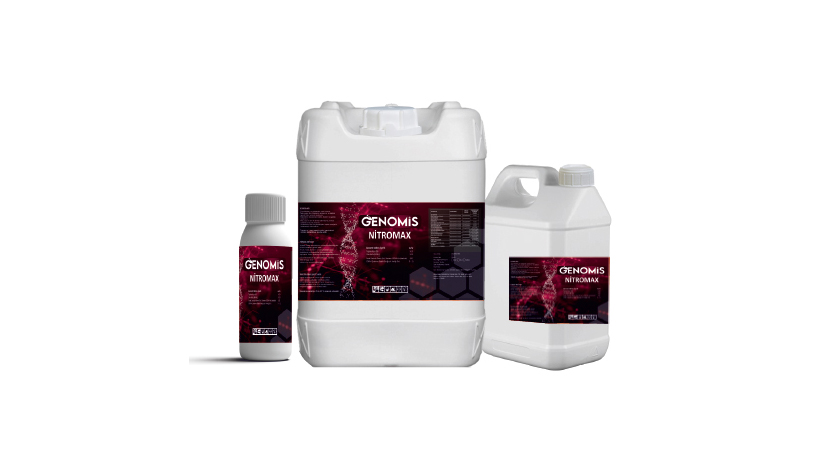
Guaranteed Content w/w
Organic Matter 20%
Total Nitrogen (N) 4%
Organic Nitrogen (N) 1%
Urea Nitrogen (N-NH2) 3%
Water Soluble Potassium Oxide (K2O) 4%
Maximum Chlorine (Cl) 0.5%
Free Amino Acids 6%
Alginic Acid 0.02%
Giberallic Acid 25 ppm
Water Soluble Iron (Fe) (Fully Chelated with EDDHA) 0.06%
pH Range 4 – 6
| AREA OF USE | TIME OF USE | LEAF APPLICATION | APPLICATION WITH DRIP IRRIGATION AND TANKER |
| In Greenhouse Vegetables | During and after development | 150-200 ml per 100 L of water | 1 – 3 L/da |
| (Pepper, Tomato, Cucumber and Eggplant) etc. | During and after development | 150-200 ml per 100 L of water | 1 – 3 L/da |
| In Outdoor Vegetables | During and after development | 150-200 ml per 100 L of water | 1 – 2 L/da |
| (Pepper, Tomato, Cucumber and Eggplant) etc. | During and after development | 150-200 ml per 100 L of water | 1 – 3 L/da |
| In Winter Vegetables | During and after development | 150-200 ml per 100 L of water | 1 – 3 L/da |
| (Curly, Lettuce, Leek, Spinach, Cabbage) | During and after development | 150-200 ml per 100 L of water | 5 – 8 L/da or |
| Tuber Plants (Potatoes, Onions, Garlic, Carrots) etc. | During and after development | 150-200 ml per 100 L of water | 500 – 600 ml / Tree |
| Melon, Watermelon, Pumpkin, Strawberry | During and after development | 150-200 ml per 100 L of water | 4 – 5 L / da or |
| All Hard-Skinned Fruit Trees | During and after development | 150-200 ml per 100 L of water | 250 – 400 ml / Tree |
| (Pistachios, Almonds, Walnuts, Hazelnuts) | During and after development | 100-150 ml per 100 L of Water | 4 – 5 L / da or |
| All Pome Fruit Trees | During and after development | 200-300 ml per 100 L of water | 250 – 400 ml / Tree |
| (Apple, Pear, Quince) | During and after development | 200-300 ml per 100 L of water | 4 – 5 L / da or |
Amino Acids*: They are necessary for protein synthesis in plants. Plants synthesize cell structure, enzymes, hormones and other important components by using amino acids in proteins. Additionally, nutrients important for plants consist of amino acids.
– For plants, nitrogen is one of the building blocks of proteins, amino acids and nucleic acids.
– Urea nitrogen is a form of nitrogen used to meet the nitrogen needs of plants.
– In plants, urea nitrogen is taken up through the roots and used in protein synthesis and metabolism processes.
Alginic Acid*: This acid is abundant in marine organisms such as seaweed, but can also be found in some plant species. In plants, alginic acid serves as a component of the cell wall. Additionally, it can support plant nutrition and improve soil structure by increasing the absorption of minerals in the soil by the plant.
Giberalic Acid*: This acid has an important role in regulating the stress response in plants. In particular, gibberalic acid can increase the ability of plants to respond to various stress factors (e.g., drought, salinity, disease attack). It can also function as a phytohormone that regulates the growth and development of plants. All of these compounds can increase plant productivity by ensuring plants grow healthy and are resistant to environmental stresses.
Storage Conditions
Store in its original packaging under normal conditions (in cool and dry places). Do not expose the product to direct sunlight. Under normal conditions, it maintains its physical and chemical properties for at least 3 years. Storage temperature should be between + 5 and 35 C.