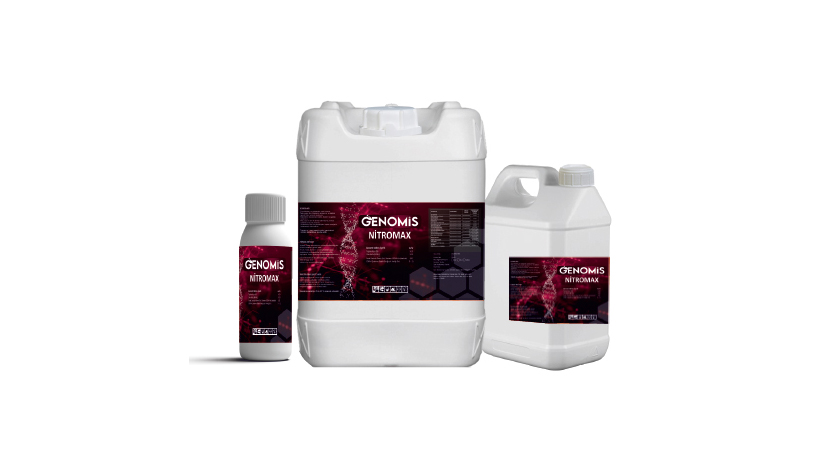
Guaranteed Content w/w
Total Nitrogen (N) 8%
Nitrate Nitrogen (N-NO3) 8% Water Soluble Calcium Oxide (CaO) 14%
| AREA OF USE | TIME OF USE | LEAF APPLICATION | APPLICATION WITH DRIP IRRIGATION AND TANKER |
| In Greenhouse Vegetables | During and after development | 150-200 cc per 100 L Water | 1 – 2 kg / da |
| (Pepper, Tomato, Cucumber and Eggplant) etc. | During and after development | 150-200 cc per 100 L Water | 1 – 2 kg / da |
| In Outdoor Vegetables | During and after development | 150-200 cc per 100 L Water | 1 – 2 kg / da |
| (Pepper, Tomato, Cucumber and Eggplant) etc. | During and after development | 150-200 cc per 100 L Water | 1 – 2 kg / da |
| In Winter Vegetables | During and after development | 150-200 cc per 100 L Water | 1 – 2 kg / da |
| (Curly, Lettuce, Leek, Spinach, Cabbage) | During and after development | 200-250 cc per 100 L Water | 4 – 6 kg / da or |
| Tuber Plants (Potatoes, Onions, Garlic, Carrots) etc. | During and after development | 200-250 cc per 100 L Water | 400 – 500 g / Tree |
| Melon, Watermelon, Pumpkin, Strawberry | During and after development | 200-250 cc per 100 L Water | 3 – 4 kg / da or |
| All Hard-Skinned Fruit Trees | During and after development | 200-250 cc per 100 L Water | 200 – 400 g / Tree |
| (Pistachios, Almonds, Walnuts, Hazelnuts) | During and after development | 100-150 cc per 100 L Water | 3 – 4 kg / da or |
| All Pome Fruit Trees | During and after development | 150-200 cc per 100 L Water | 200 – 400 g / Tree |
| (Apple, Pear, Quince) | During and after development | 150-250 cc per 100 L Water | 2 – 3 kg / da or |
Cell Wall Formation and Strength:* Calcium plays a critical role in the formation and strength of the walls of plant cells. Calcium takes part in the formation of substances such as pectin, one of the components of cell walls.
*Cell Division and Growth:* Calcium has a regulatory role in the cell division and growth processes of plants. Calcium supports the growth of roots, stems and leaves of plants.
*Water and Nutrient Uptake:* Calcium regulates water and nutrient uptake in plants, especially increasing the water and mineral absorption of plant roots.
*Stress Tolerance:* Calcium helps plants resist stress conditions (e.g. drought, salinity, extreme heat).
Nitrate nitrogen is an essential nutrient for plants and is vital for the development of plants. Some important functions of nitrate nitrogen are:
*Protein Synthesis:* The main source of nitrogen required for protein synthesis in plants is nitrate nitrogen. Plants need proteins for their growth, development and metabolism.
*DNA and RNA Synthesis:* Nitrate nitrogen is a source of nitrogen required to synthesize genetic materials of plants such as DNA and RNA.
*Plant Development and Productivity:* Nitrate nitrogen is important to increase the growth and productivity of plants. It supports the growth of leaves, stems and roots of plants.
For these reasons, calcium and nitrate nitrogen are important for the healthy growth, development and productive yield of plants.

Storage Conditions
Store in its original packaging under normal conditions (in cool and dry places). Do not expose the product to direct sunlight. Under normal conditions, it maintains its physical and chemical properties for at least 3 years. Storage temperature should be between + 5 and 35 C.