| Plant Name | Usage Amount Kg / da |
| pistachios | 1 – 2 kg / Tree 15 – 20 kg / da |
| Fruit trees | 15 – 20 kg / da |
| Apple | 1 – 2 kg /Tree |
| Citrus | 1 – 2 kg / Tree |
| Olive | 1 – 2 kg / Tree |
| Vegetables | 12 – 15 kg / da |
| Watermelon | 15 – 20 kg / da |
| Carrot, Radish | 12 – 15 kg / da |
| Cotton | 15 – 20 kg / da |
| Garlic, Mint | 15 – 20 kg / da |
| Sugar beet | 12 – 15 kg / da |
| Sunflower, Corn | 12 – 15 kg / da |
| Wheat, Barley, Peanuts | 12 – 15 kg / da |
| Grapes, Berries | 10 – 12 kg / da |
IT IS APPLIED FROM THE SOIL AND ONCE AS A BASE FERTILIZER BEFORE PLANTING.
We undertake that it will be the same as the label we will put on the market, and in case of proof of the contrary, we accept the penal actions to be taken against us according to Law No. 7223.
1. *Increases Nutrient Uptake:* Potassium humate allows plants to absorb more nutrients from their roots. This increases the growth and productivity of plants.
2. *Increases Stress Tolerance:* Sulfur and humic acids make plants more resistant to stress conditions. It increases their ability to cope with stress factors such as drought, salinity, or extreme heat.
3. *Improves Soil Structure:* Humic and fulvic acids improve the structure of the soil and enable the soil to retain water and nutrients better. This increases the fertility of the soil.
4. *Promotes Plant Growth:* Nitrogen is an essential nutrient for plant growth. Besides nitrogen, potassium humate and other nutrients also promote the growth of plants.
5. *Increases Resistance to Diseases:* Fulvic acids have the potential to increase plants’ natural resistance to diseases. This can reduce chemical drug use.
With the use of this mixture, the health, growth, productivity and ability of plants to cope with stress are increased. However, it must be administered in the correct doses and appropriately.
1. Potassium humate: Potassium humate is an organic compound that stimulates the root development of plants, improves soil structure and promotes plant growth. It contains potassium, one of the essential nutrients for plants, and strengthens the structure of plant cells. It also allows nutrients to be retained in the soil and plants to use these nutrients more efficiently.
2. Nitrogen: Nitrogen is an important nutrient for plants because it is part of the building blocks of plants such as protein, DNA and chlorophyll. Nitrogen is an essential component for the growth and development of plants. Nitrogen deficiency can cause symptoms such as wilting, yellowing and growth retardation in plants.
3. Sulfur: Sulfur is an important nutrient for plants and plays a role in the synthesis of amino acids, vitamins and enzymes. It is necessary for the protein synthesis of plants and is involved in the composition of plant tissues. Sulfur deficiency can cause symptoms such as growth retardation in plants, yellowing and falling of leaves.
These three nutrients are important for the healthy growth and development of plants and should be provided in a balanced manner in plant nutrition programs.
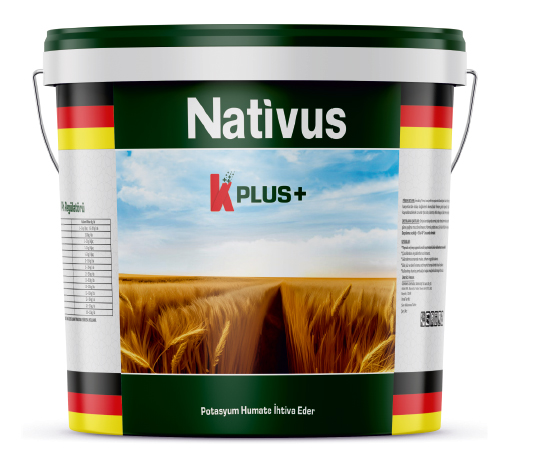
Storage Conditions
Store in its original packaging under normal conditions (in cool and dry places). Do not expose the product to direct sunlight. Under normal conditions, it maintains its physical and chemical properties for at least 3 years. Storage temperature should be between + 5 and 35 C.